Why F&B Visibility Is Different
Most industries selling online are selling things people can evaluate from a distance. A software interface can be screenshotted. A hotel room can be photographed. A pair of shoes can be shown on a foot.
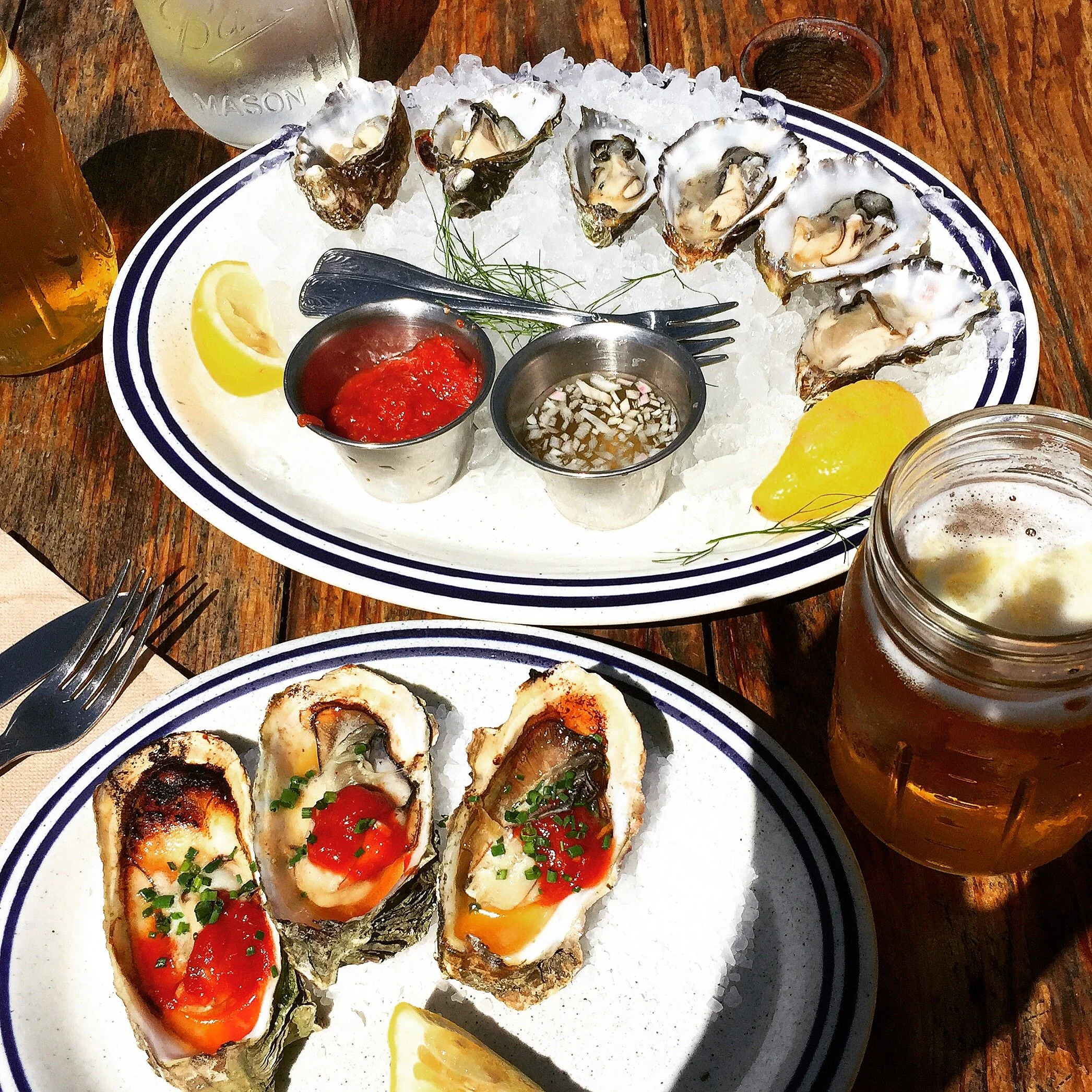
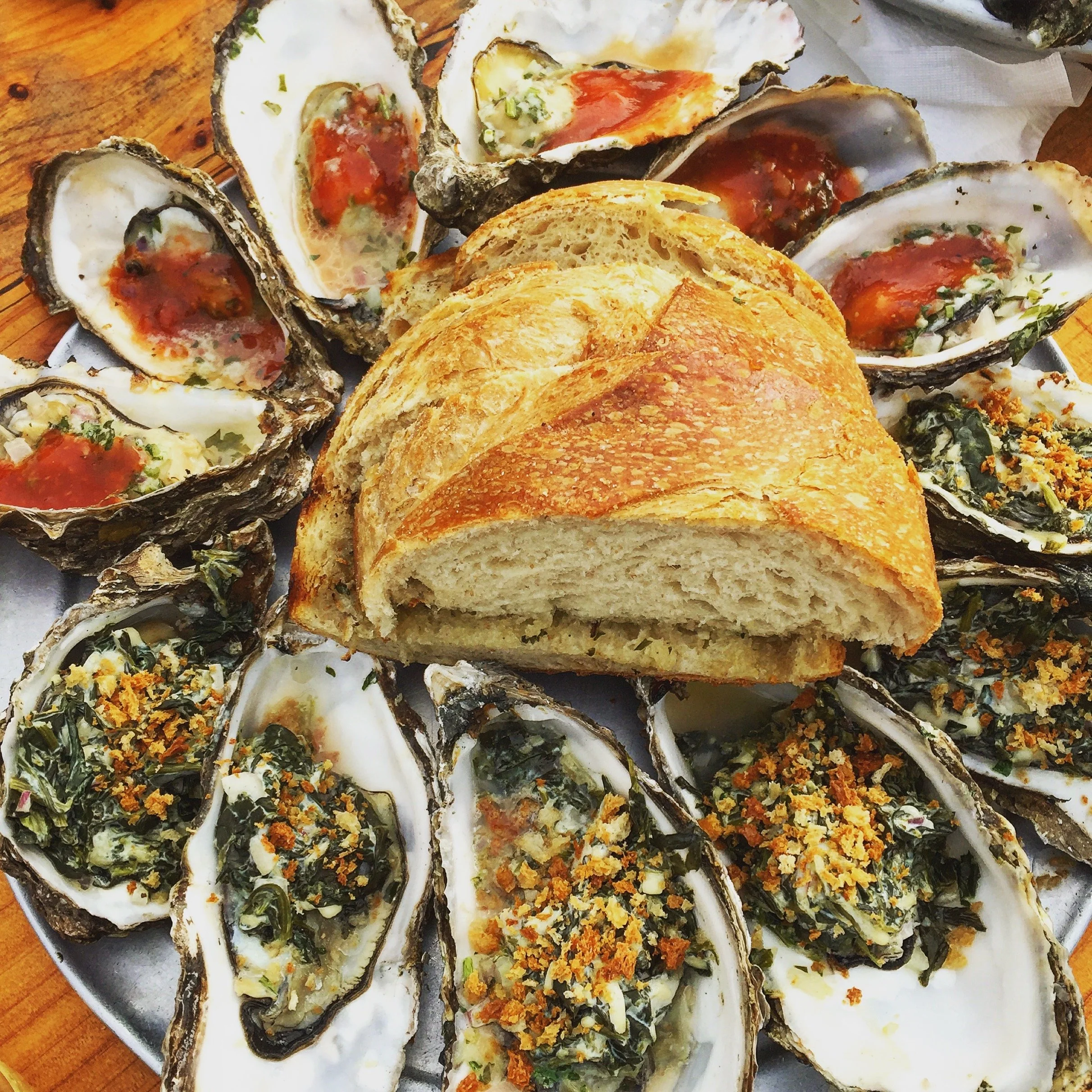
Food and beverage brands sell something else entirely. They sell taste. Smell. Texture. The way a wine finishes. The brine of an oyster pulled from cold water. The difference between olive oil that coats your throat and one that doesn't. These are proximal sensory experiences — they can only be known by being had.
That distinction matters more than most brands realize, and a 2025 peer-reviewed study from Zhejiang University published in the Journal of Digital Management quantifies exactly why.
Across four controlled experiments with 1,050 participants, researchers found that consumers trust AI recommendations significantly less for products involving taste, smell, and touch than for products involving sight or sound. Trust scores for algorithmic recommendations of gustatory products came in at 38.47 out of 100. Visual products: 50.84. The gap isn't about accuracy. It's about perceived capacity. Consumers instinctively understand that an algorithm has never tasted anything and that understanding shapes whether they trust what it recommends.
But the same research points to what closes that gap. Consumer skepticism toward algorithmic recommendations decreases significantly when human expertise is woven into the signal. Content written by someone who has actually tasted, sold, and understood a product reads differently to retrieval systems and to the people those systems serve. Specificity is the mechanism. The human knowledge behind it is what makes the recommendation trustworthy when AI surfaces it.
This is the core challenge for premium F&B brands in the AI discovery era. It is not enough to appear in a recommendation set. The language surrounding your brand — in editorial coverage, in reviews, in community conversations — needs to carry the sensory credibility that makes a consumer act on what AI tells them. Generic product descriptions don't do that. Passionate, specific, knowledgeable content does.
Premium F&B has always required this kind of translation. Someone had to find the words that got close enough to the experience to make a stranger want to taste it. That work has a new context now. The stakes are the same.